Today, in the fashion world, it is no longer enough to offer merely an aesthetically pleasing garment: emotional consumption has become a central factor in purchasing decisions, especially in the artisanal fashion sector. The modern consumer doesn’t just buy a piece of clothing; they want to have an experience, feel part of a story, and assert their identity. In this context, the relationship between the maker and the buyer transforms from a purely economic transaction into an emotional dialogue.
What Does “Emotional Consumption” Mean in Fashion?
The concept of emotional consumption refers to the idea that buyers do not evaluate products solely on the basis of utility, price, or objective quality, but above all based on the emotions they evoke: pride, a sense of belonging, authenticity, and a desire for distinction. Emotional marketing and neuromarketing analyze precisely this aspect: for example, how packaging, storytelling, and visual aesthetics can trigger emotional circuits in the consumer’s brain and influence purchasing decisions.
In the case of fashion, the symbolic value of a garment becomes crucial: owning an item that “tells a story” or “represents you” often carries more weight than the fabric or the design. Brands that succeed in building emotional connections with their consumers develop an emotional capital that goes far beyond the logic of price.
In the artisanal segment, this phenomenon is even more evident: the perception of uniqueness, the carefully selected raw materials, the traces of the hands that sewed the garment, and personalization all make each piece “come alive” in the eyes of the buyer.
The Role of the Producer: From Artisan to Storyteller
When we think of craftsmanship, the image that comes to mind is that of the artisan who, with care, patience, and passion, shapes an object. But in the digital age, this traditional aspect must be integrated with the ability to communicate emotionally with the customer.
- Artisanal storytelling
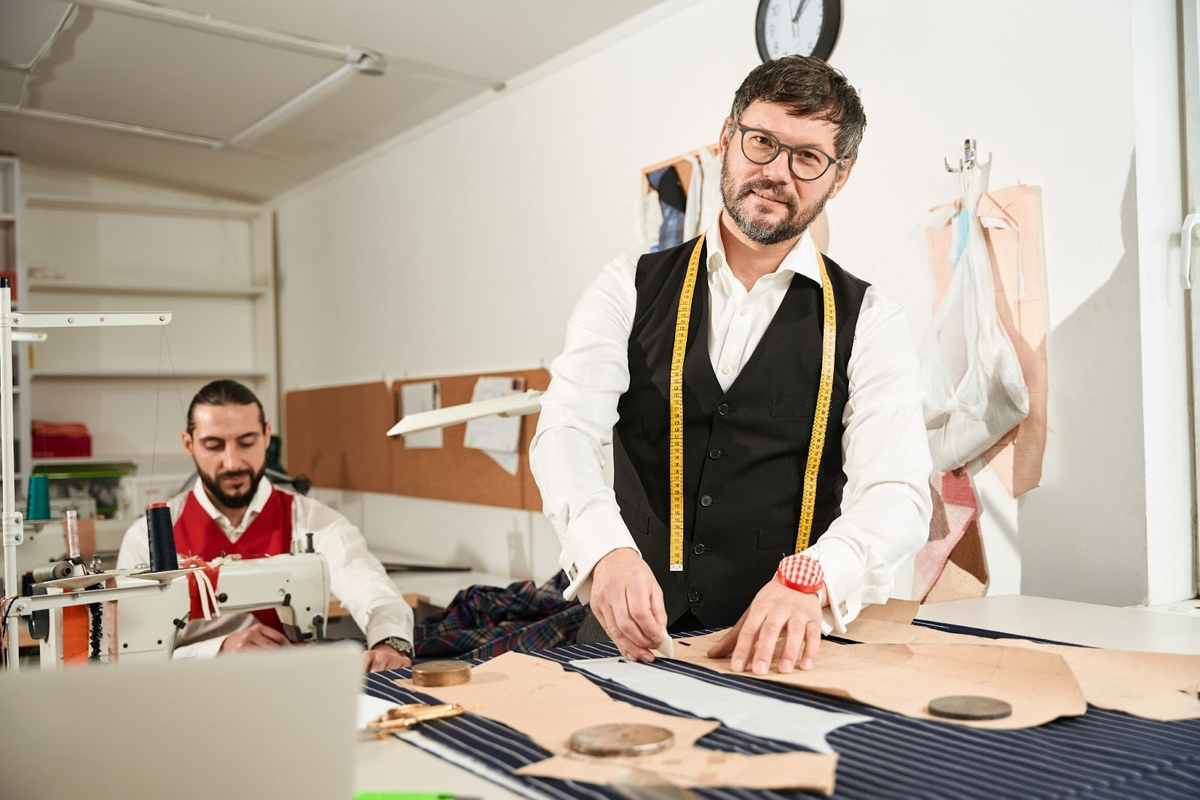
A key strength for producers of artisanal fashion is the “behind-the-scenes” narrative—the techniques passed down through generations, the materials chosen, and the artisan’s personal story. This storytelling isn’t merely decorative: it forges an emotional bond. A customer who knows the story behind a coat—who sewed it, in which workshop, why it was designed that way—feels they own something with intangible value, almost like an emotion encapsulated in fabric.
- Personalization and Participation
- Another way to build a connection is to involve the customer: by offering customizations (color, cut, details), being open to dialogue and feedback on the product, and giving them the chance to be part of the creative process. In this way, the buyer is not a spectator but a co-creator of a story.
The Challenges and Opportunities of Emotional Consumption in Artisanal Fashion
- Challenge: Reaching and Communicating with a Dispersed Audience
Artisans often work on a small scale and with limited budgets for marketing and communication. Reaching the right audience and effectively conveying the emotional value of their work can be difficult. It’s essential to know how to use digital channels, social media, and collaborations with influencers or micro-influencers that align with the brand’s aesthetic.
- Opportunity: Higher Margins and Customer Loyalty
In artisanal fashion, perceived value is higher, so it’s often possible to sell at premium prices compared to mass-produced items. If the emotional connection is strong, customers are willing to pay more. Furthermore, customer loyalty is potentially more enduring: a loyal customer is one who returns and recommends the brand to others.
Conclusions
In the contemporary fashion world, emotional consumption is an essential key for those who want to stand out. In the artisanal segment, where the uniqueness of the product and the quality of the process guarantee value, building an emotional connection between the producer and the buyer is fundamental.
At the base of this relationship lie several core principles:
- Authentic and consistent storytelling
- Personalization and customer engagement
- Transparency and alignment between brand values and actual actions
- Attention to detail and the product’s sensory experience
A concrete example of these dynamics is Psicopatici Italia, a brand that stands out for its original approach to artisanal fashion. Its offering goes far beyond simply selling clothes: it is a journey of self-discovery, an act of rebellion against the conformity and standardization typical of fast fashion.
While large industrial chains base their business model on mass production, serialized approaches, and fleeting trends, Psicopatici Italia creates a totally new and fresh offering, far removed from the frenetic and impersonal rhythms of the global market. Each garment is created as a one-of-a-kind piece, made to order and designed to stand the test of time.
This positioning is not merely a stylistic alternative, but a cultural statement: shopping at Psicopatici means embracing values such as authenticity, freedom, and an appreciation for craftsmanship. It is an invitation to step away from the “big industrial machine” and choose an experience that puts the person, emotions, and the story at the center. In this way, the brand transforms fashion into an intimate language, capable of speaking directly to the soul of those who wear its garments.