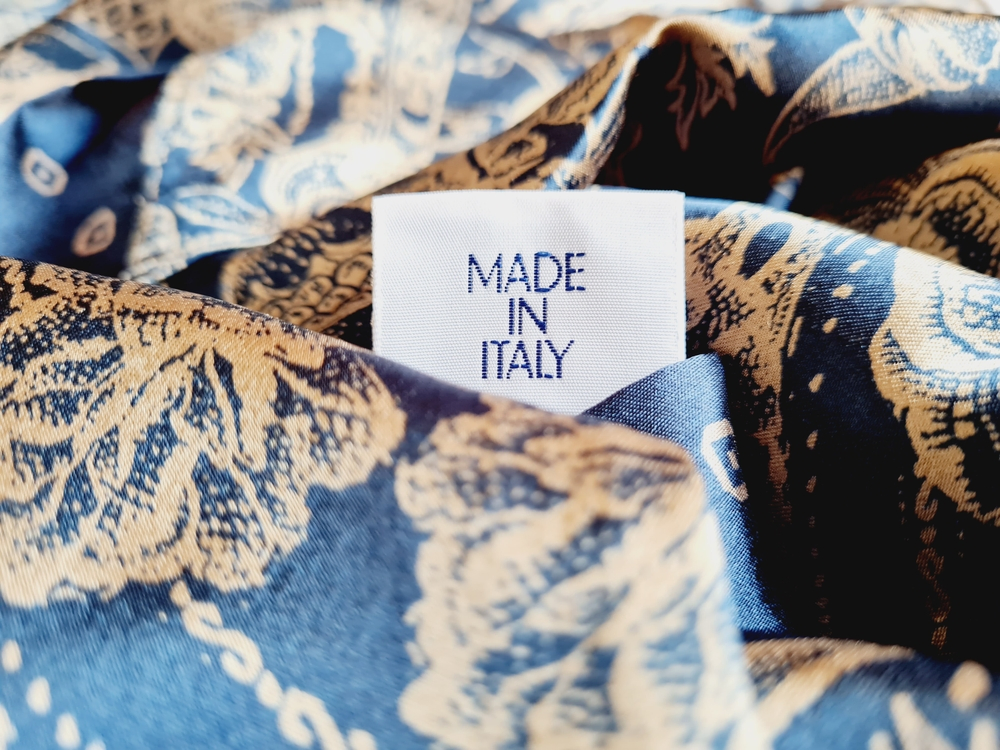
The term “Made in Italy” is much more than just a marketing label: it is a symbol, a mark of quality, and a lifestyle that represents Italian excellence around the world. From Italian fashion to design, and including artisanal craftsmanship, “Made in Italy” tells a story of passion, creativity, and authenticity. But how did “Made in Italy” come about? What were the key steps in its rise to prominence? And why does it remain one of the strongest global brands to this day?
The Historical Origins of “Made in Italy”
The term “Made in Italy” officially emerged in the 1980s, when Italian companies began using this label as a tool for international promotion. However, the roots of the phenomenon go back much further.
As early as the Renaissance, Italy was a leading cultural and economic hub: Florentine fabrics, Murano glass, Faenza ceramics, the works of master goldsmiths, and musical instruments were known and appreciated throughout Europe. Italian craftsmanship was a guarantee of beauty, quality, and innovation.
In 1951, Count Giovanni Battista Giorgini organized the first international Italian fashion show in Florence. On that occasion, designs by fashion designers such as Emilio Pucci, Fontana, and Simonetta were presented: the success was immediate and marked the beginning of a new era.

Unlike French haute couture, characterized by exclusive luxury, Italian fashion focused on accessible elegance—sophisticated yet wearable—capable of winning over American and European audiences.
Over the decades, the reputation of “Made in Italy” as a synonym for luxury and sartorial quality took shape, thanks to two main factors:
- Italian tailoring, the guardian of centuries-old artisanal traditions.
- The use of the highest-quality materials such as silk, wool, and leather.
In the 1970s, designers such as Giorgio Armani and Gianni Versace revolutionized the concept of fashion, introducing a more fluid, free, and cosmopolitan style. Armani, with his clean lines, and Versace, with his bold colors and iconic prints, transformed “Made in Italy” into a global fashion design brand.
The Pillars of “Made in Italy” Fashion
The success of “Made in Italy” fashion is rooted in several key elements that set it apart from any other fashion system:
- Artisanal tailoring → the tradition of small workshops and ateliers remains a unique strength, ensuring garments are handcrafted with meticulous attention to detail.
- High-quality materials → Fabrics such as silk, cashmere, wool, and Italian leather are recognized as the best in the world.
- Creativity and innovation → Italian designers have always known how to blend tradition with experimentation.
- Italian lifestyle → Italian fashion doesn’t just clothe; it embodies a lifestyle defined by elegance, taste, and passion.

The Challenges Facing “Made in Italy”
Despite its strength, however, “Made in Italy” faces numerous challenges:
- Counterfeiting: fake “Italian-sounding” products that undermine the brand’s authenticity.
- Globalization: Competition from emerging markets puts pressure on “Made in Italy” companies, which must maintain high standards without losing their competitive edge.
- Innovation: “Made in Italy” must adapt to the digital and sustainable world by integrating new technologies and production models.
The Future of “Made in Italy”
The future of “Made in Italy” fashion appears to be heading in three main directions:
- Technological innovation → the use of artificial intelligence, 3D printing, and innovative materials.
- New markets → The need to expand into new strategic areas for the growth of Italian fashion.
In this scenario, “Made in Italy” will continue to be synonymous with excellence, but it will need to evolve to meet the demands of increasingly informed and discerning consumers.
Conclusions
“Made in Italy” is not only a global brand but also a reflection of our identity: behind every product lies a story of passion, research, and innovation.
Furthermore, “Made in Italy” represents a concrete and authoritative response to the phenomenon of fast fashion, which prioritizes quantity and speed at the expense of quality. Garments produced in Italy—the result of artisanal tailoring and fine fabrics—guarantee not only a refined aesthetic but also superior durability compared to mass-produced items from large retail chains. Every “Made in Italy” garment is designed to stand the test of time, maintaining its elegance season after season. This is why “Made in Italy” is not simply fashion, but an investment in quality and authenticity that challenges any global competitor.
Small and medium-sized Italian brands, such as Psicopatici Italia, preserve the true essence of “Made in Italy”: craftsmanship, attention to detail, and high-quality fabrics.
While major brands often monopolize the spotlight, it is the independent brands that keep the tailoring tradition alive.
And it is precisely these diverse stories and perspectives that Psicopatici Italia focuses on, seeking to explore the world from original and inspiring angles. Just as “Made in Italy” stems from the ability to look beyond the ordinary, Psicopatici Italia also invites you to think outside the box, celebrating creativity, authenticity, and new self-expressions through the opportunity to customize the garments you purchase.
Why is it important to know about brands like Psicopatici Italia?
Just consider that customization is one of the strongest trends in contemporary fashion: consumers don’t just want to wear a garment—they want it to reflect their personality.