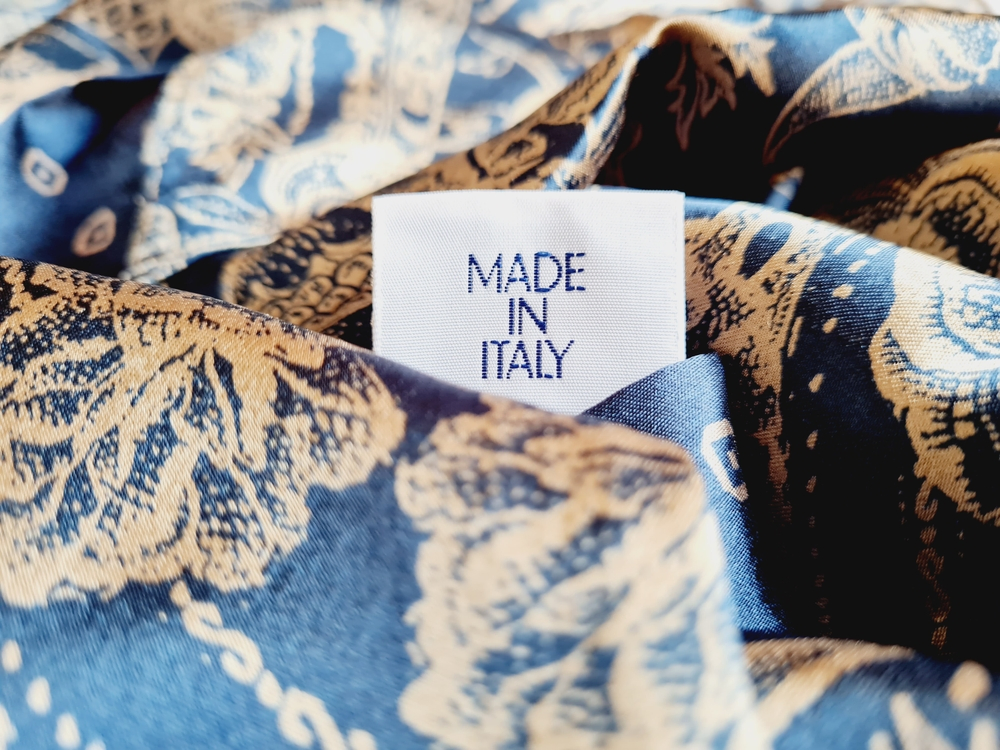
In recent years, minimalism has dominated the runways and wardrobes, featuring clean lines, neutral color palettes, and a “less is more” philosophy. But today, like a river bursting its banks, fashion is undergoing a silent revolution: a return to individuality and craftsmanship. No longer just simple garments, but true stories woven by hand, where every detail becomes a signature.
Why is minimalism no longer enough?
The era of minimalism taught us to dress with simplicity, but it left an unbridgeable void: the lack of a soul.
Consumers—especially younger generations, and Gen Z in particular—are seeking emotional connections with brands and with what they wear.
Society is changing, and with it, the way we express ourselves through clothing. In an era marked by standardization and mass production, a different need is emerging strongly: the need to stand out, to rediscover authenticity, and to choose garments that are not only beautiful but also tell the story of who we are.
More and more people are rediscovering the pleasure of owning a garment designed just for them, one capable of telling a story, conveying an origin, or expressing an intention. It’s no longer a matter of trends—it’s a matter of identity.
In this context, personalized clothing takes on a central role. It’s not just about choosing colors or sizes; it means shaping the very design of the garment, transforming it into a means of personal expression—such as a jacket with embroidered initials or a handmade shirt crafted from fabric chosen by the customer.

From quantity to quality: the slow fashion model.
While fast fashion focuses entirely on speed, quantity, and immediate accessibility, slow fashion takes a different path: that of mindfulness.
At its base is a limited, artisanal production model, in contrast to industrial, mass production. There are no endless collections or excess inventory: each garment is carefully conceived, developed, and crafted, often on request or in small batches. This approach not only reduces waste but also restores value to the time and craftsmanship that make it possible.
We’re talking about real, tangible quality. The garments are made from durable, carefully selected fabrics and bear the signature of the person who sewed them.
When tradition meets digital innovation.
In the past, talking about artisanal fashion meant evoking small workshops, slow rhythms, and bespoke production accessible only to a select few. Today, thanks to digital technology, that same artisanal care can engage with technology, bringing uniqueness and quality to a wider audience without compromising the core values of “handmade.”
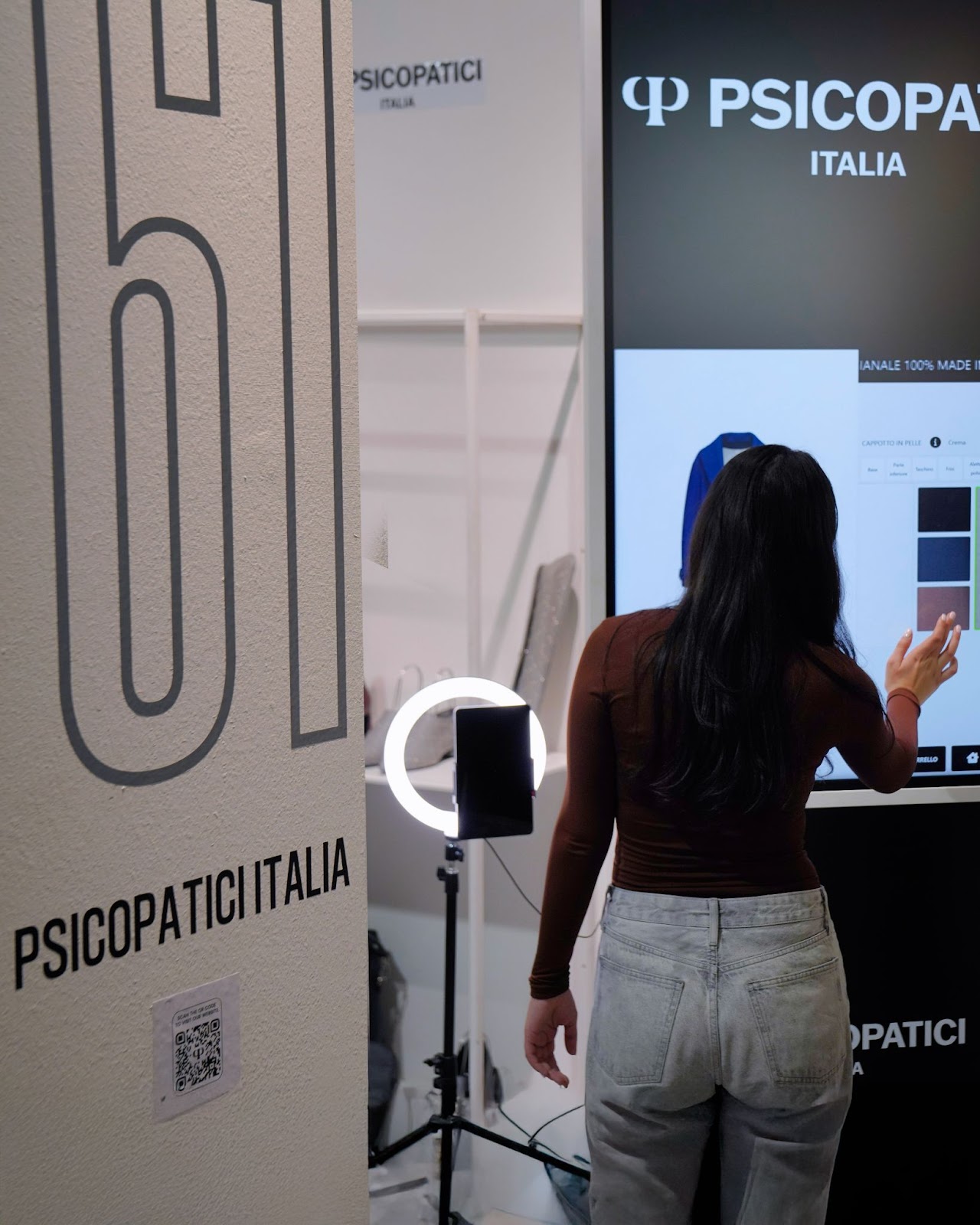
The result is a new shopping experience: engaging, immersive, and co-creative. The user is no longer just a consumer but an active part of the creative process. They choose, modify, and adapt. The final garment is not “a product” but a version of themselves.
Contrary to what one might think, digitizing craftsmanship does not mean distorting it; on the contrary, new technologies allow us to:
- show the behind-the-scenes aspects of the craftsmanship (through videos, live streams, and storytelling);
- automate the collection of measurements or style preferences;
- offer digital experiences that build trust in the purchase, reducing errors and returns.
In other words, technology doesn’t erase human connection—it amplifies it and makes it more accessible.
Digital technology democratizes the artisanal experience, making personalized fashion more accessible without compromising on quality.
So why are prices so high?
Digital technology optimizes processes; it does not industrialize them.
Many people think that using technology means mass production, lowering costs, and selling at low prices.
In the case of digital craftsmanship, the opposite is true: technology optimizes processes without compromising the care of handwork, reduces waste (for example, by avoiding overproduction), and allows artisans to work more efficiently and independently while maintaining high standards.
Technology isn’t about cutting costs. It’s about not having to choose between uniqueness and accessibility.
The customer enjoys a seamless digital experience, but at the back of every piece there are real hands, real time, and real materials.
The price you pay is the price of creative freedom, of time respected, and of quality that doesn’t lie.
And what about Psicopatici Italia?
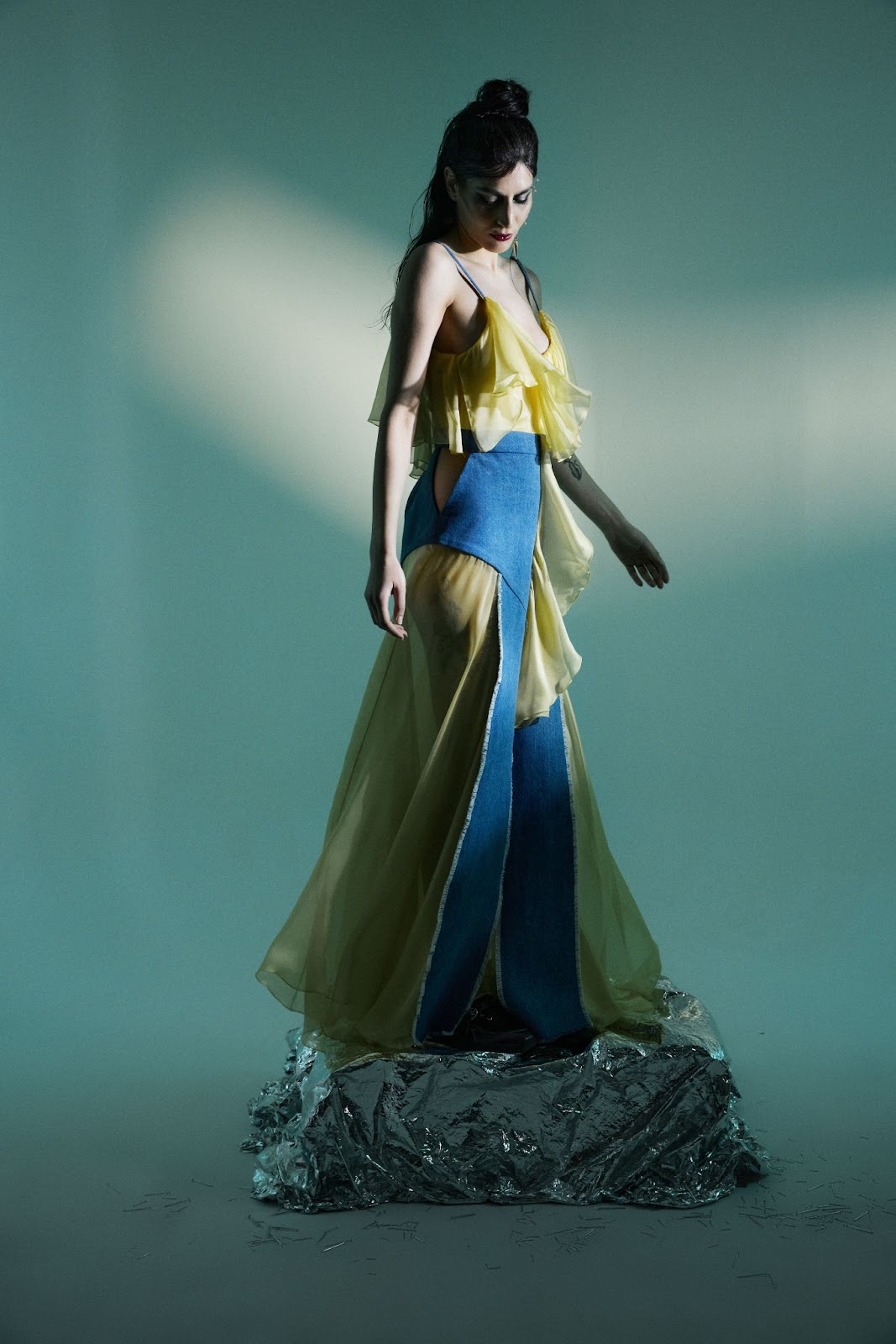
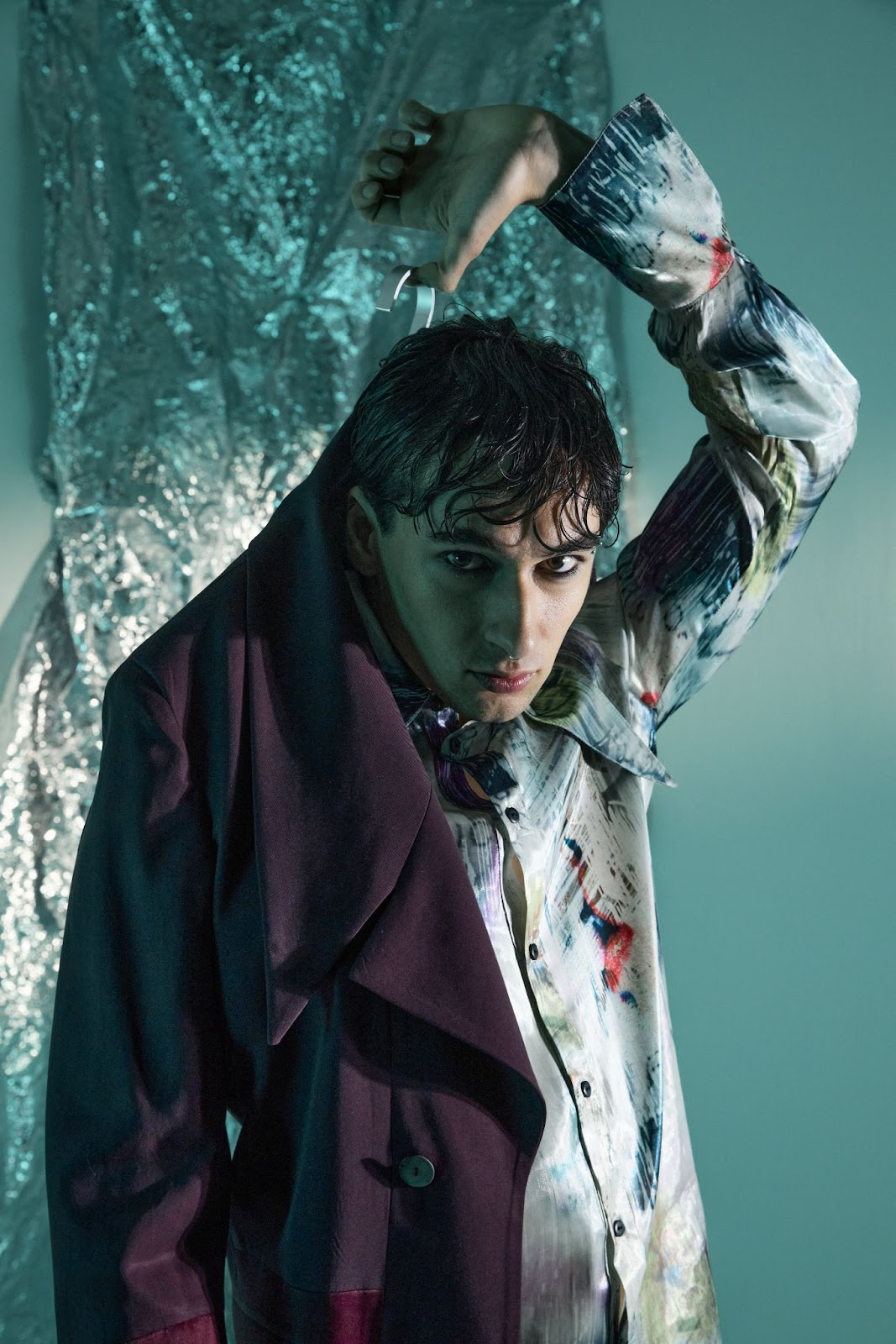
It was born from the desire to break away from standardization and the unwritten rules of fast consumption. It was created to celebrate individuality, diversity, and genuine craftsmanship. Every piece in our collection is designed and handcrafted with obsessive attention to detail, finishes, and people.
Choosing Psicopatici Italia means more than just buying a garment.
It means embracing a vision of fashion that has a soul.
A fashion that speaks to who you are—not who the market wants you to be.
And what about trends? We observe them, of course, but they don’t dictate us. We prefer to create rather than chase. Because if a garment has something to say, it will do so even out of season, even when it’s out of style. And that’s where you see the difference: not in chasing trends, but in building something that stands the test of time.
Conclusion
In a landscape saturated with quick and easy choices, making a conscious choice becomes a revolutionary act. It means restoring value to quality.
Dressing isn’t a neutral act. It’s a statement.
And perhaps the right question to ask is no longer “What’s in style?” but “What truly represents me?”
Because, after all, what we wear speaks even when we remain silent.
And it’s worth choosing what we want it to say.