Personal Style and Identity: More Than Just Aesthetics
In a world where everything communicates, what we wear, above all, becomes an integral part of our nonverbal language. The way we dress is not simply a matter of trends or fleeting tastes, but an act of self-expression. The psychology of style helps us understand why, often unconsciously, we choose to wear certain garments and reject others. And it shows us how fashion and personality are linked in a deeper way than we imagine.
Every garment we choose tells a story. Whether it’s a casual, elegant, or rebellious look, what we wear reflects our mood, our values, and the way we want to be perceived by others. Fashion is never just fashion. It is expression, communication, and sometimes even protection.
Fashion and Personality: Two Sides of the Same Coin
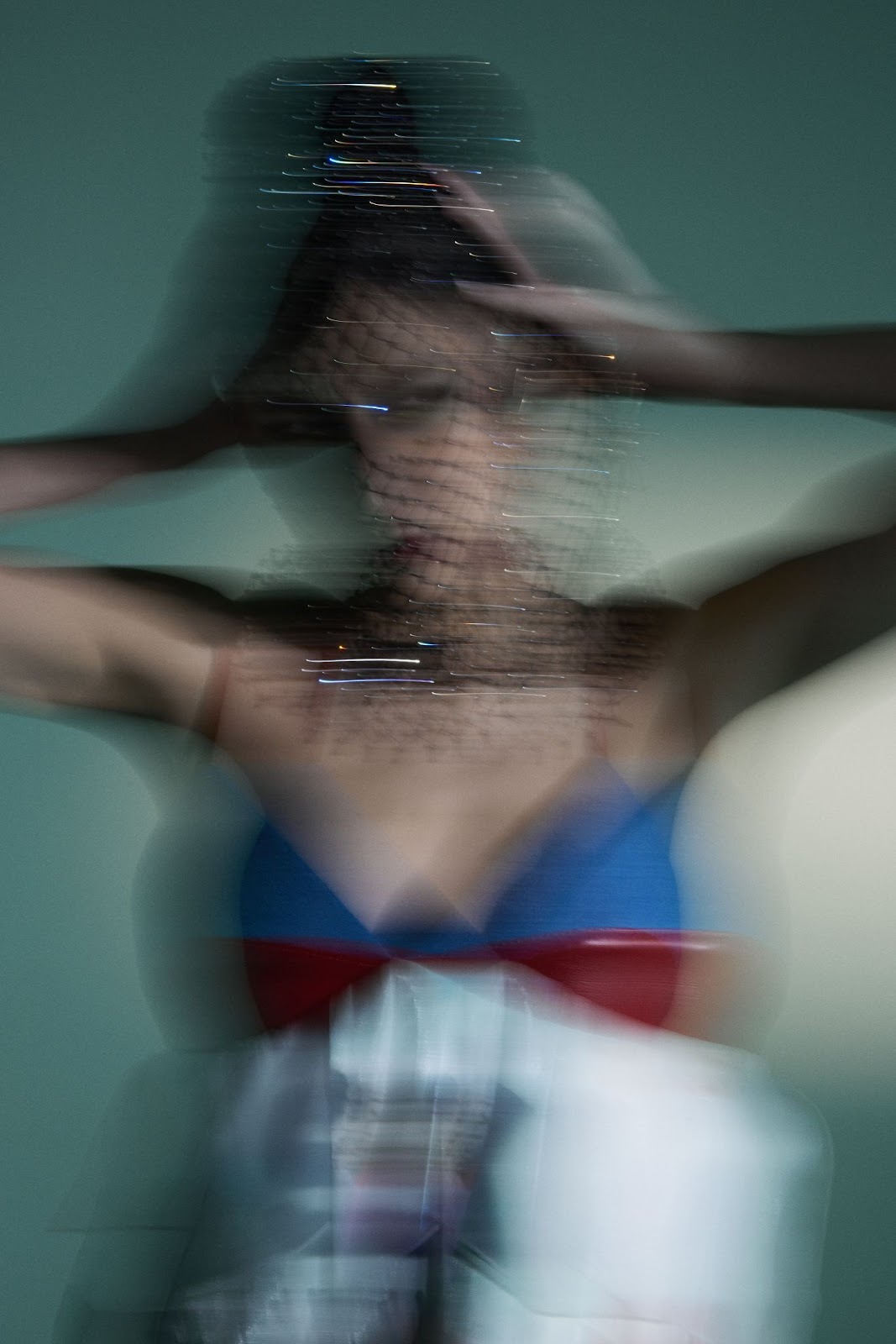
Every day, we unconsciously choose to communicate something: an oversized sweatshirt, for example, might signal a need for protection or a desire for comfort, while an all-black outfit might express minimalism, strength, elegance, or a desire not to draw too much attention to oneself. Choosing colorful garments or those with eccentric patterns, on the other hand, can indicate creativity, openness, and a desire to express oneself.
According to studies in the psychology of fashion, our unique style arises from a combination of internal factors (values, emotions, life experiences) and external factors (social environment, culture, trends). The way we present ourselves to the world thus becomes a silent manifesto of our identity.
It is no coincidence, for example, that those who prefer natural fabrics and oversized clothing often demonstrate a sensitivity toward comfort and ethics. Those who choose structured garments and bold colors tend to have a more defined and direct personality.
The Importance of a Conscious Style
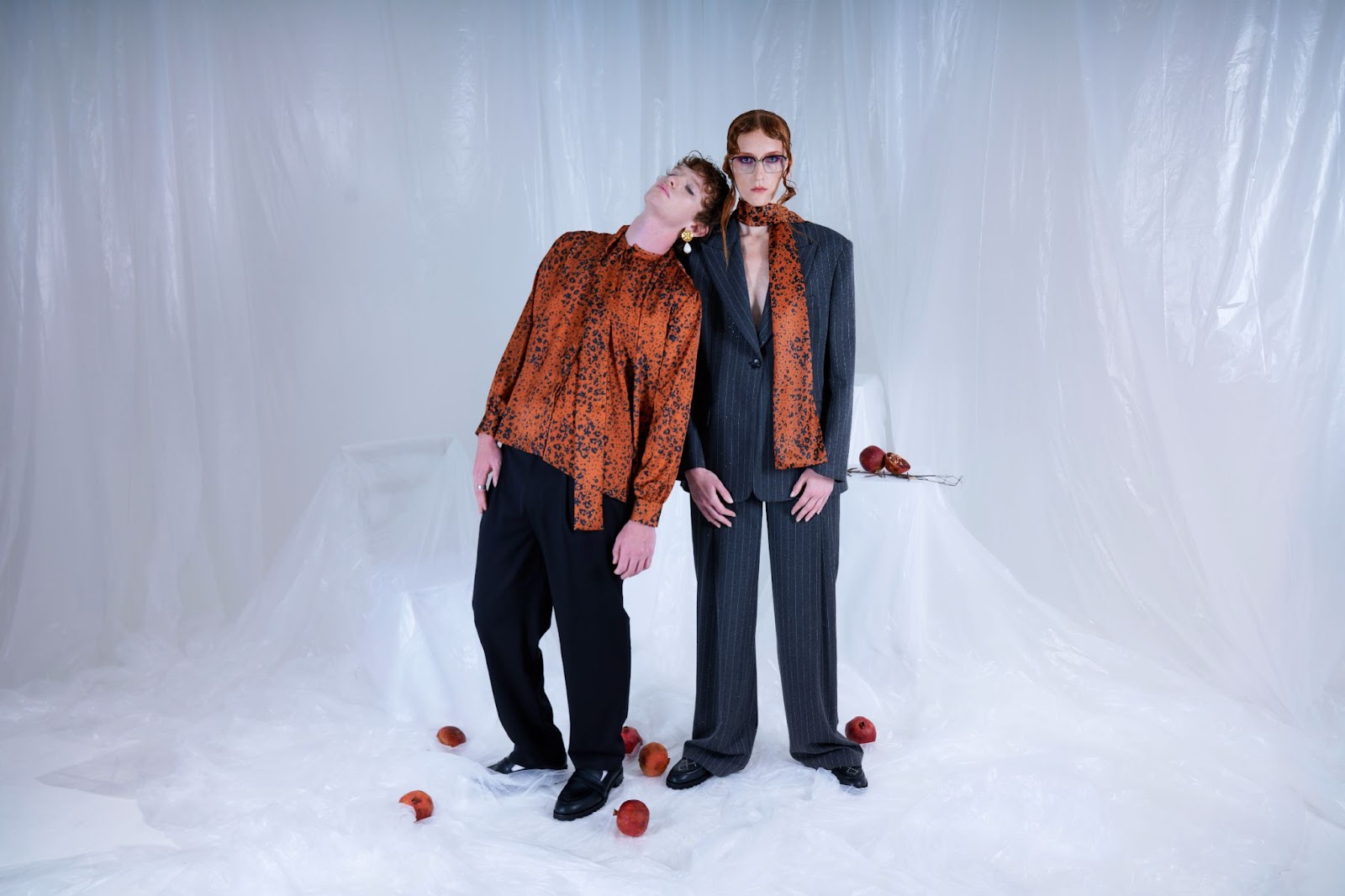
Developing a conscious personal style means going beyond fleeting trends and choosing what to wear based on who we are, not just on what’s in fashion. This requires listening, experimentation, and even courage: it’s much easier to conform than to stand out.
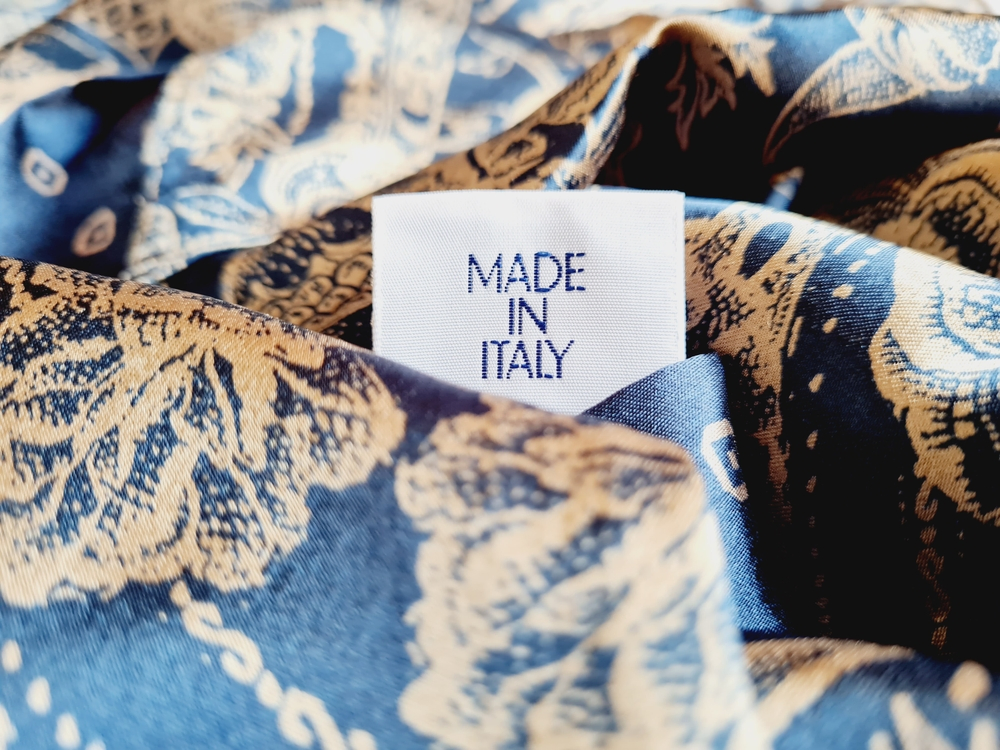
A custom-made or handcrafted garment, for example, can become a symbol of a deliberate choice: rejecting the anonymity of fast fashion and wearing something that truly speaks to who you are. This approach, which is becoming increasingly widespread—especially among young people—transforms fashion into a tool for self-expression rather than mere consumption.
In a world saturated with visual stimuli and imitations, creating your own stylistic language is an act of authenticity. Your wardrobe becomes an extension of your character. Fashion, therefore, is no longer about appearance, but about consistency.
The Psychology of Style and Self-Awareness
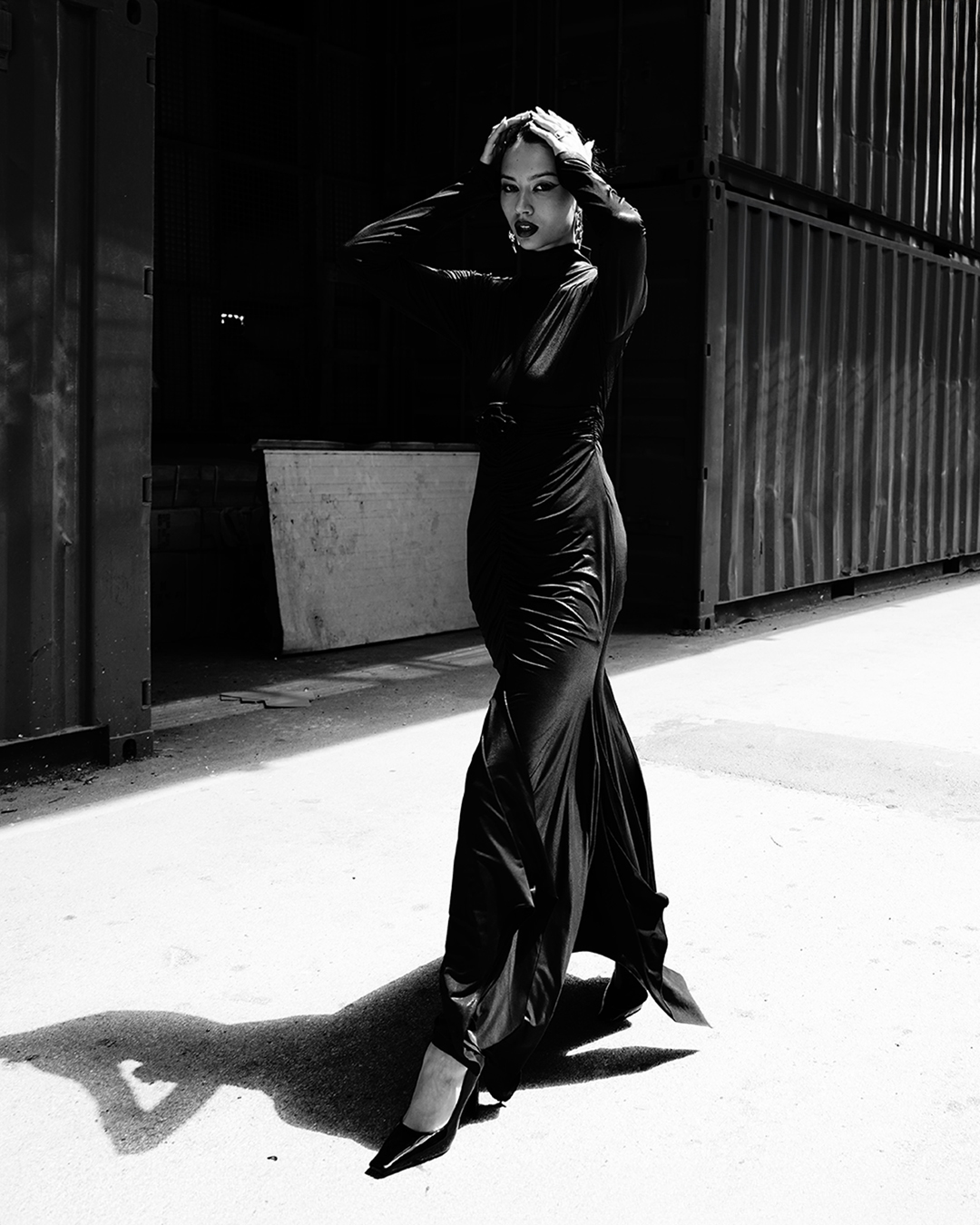
The psychology of style doesn’t just explain what we choose; it also invites us to ask ourselves why we do it. Have you ever wondered why certain items make you feel more confident? Why are there outfits you identify with more, and others that—even though they’re beautiful—you just can’t bring yourself to wear?
These choices are linked to the image you have of yourself, the roles you play (in your personal or professional life), and the way you want the world to perceive you. Wearing what truly represents you is a form of alignment between your interior and exterior selves.
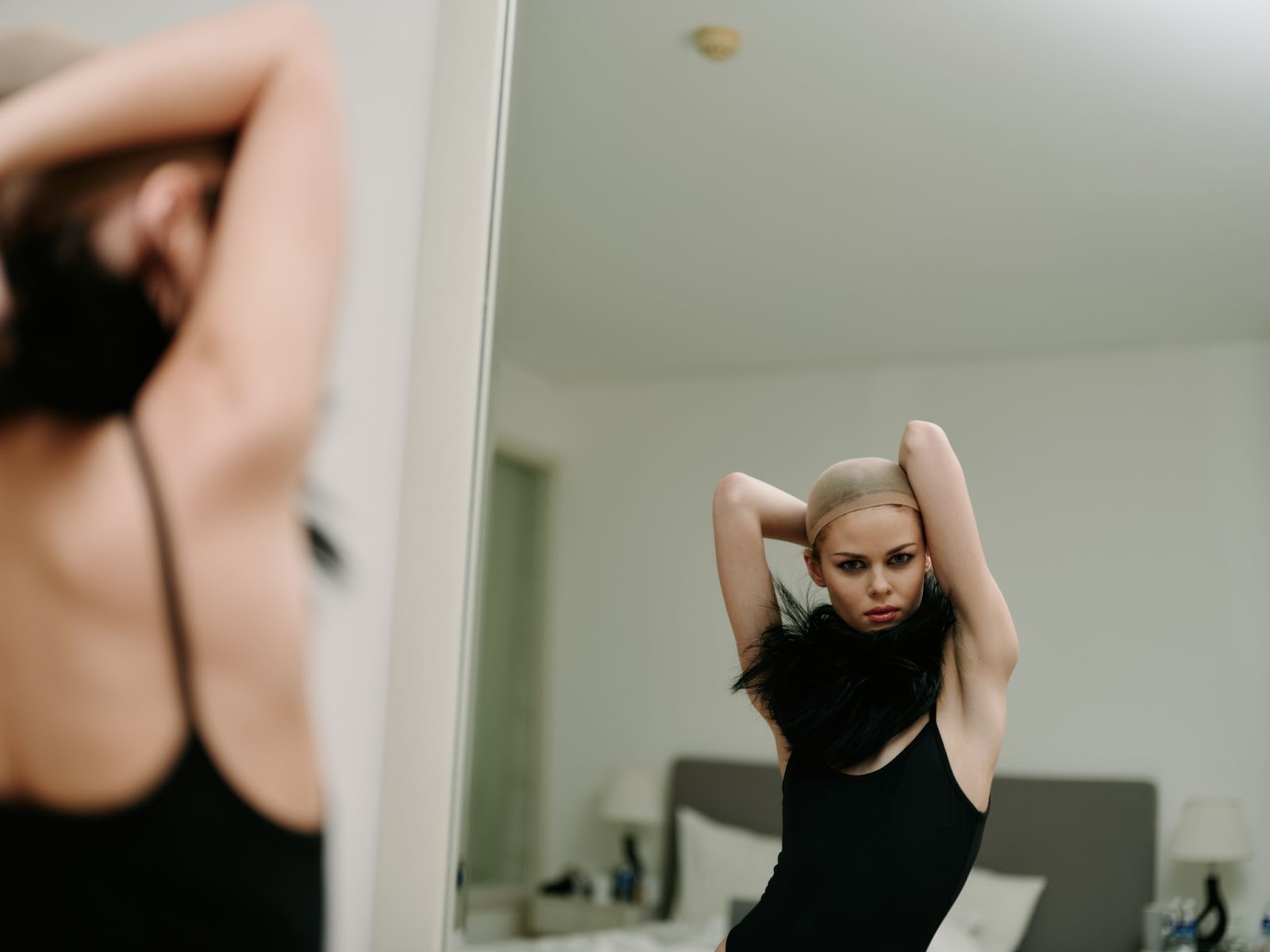
Dressing authentically can also help boost your self-esteem. When you look in the mirror and recognize yourself, everything changes: your posture, your energy, even your body language. What you wear doesn’t change who you are, but it helps you express it clearly.
Toward an Authentic Style
In a market dominated by conformity, choosing an authentic style also means engaging in an act of cultural resistance. It means asserting: “I don’t need to look like anyone else; I need to recognize myself.”
That’s why the concept of custom clothing is so powerful today: because it puts the person back at the center. At Psicopatici Italia, we offer the opportunity to choose everything from the base color to the inner lining, from buttons to the most refined Accessories, from fabrics to various embellishments, right down to the measurements, giving the customer back control over their own image.
This freedom isn’t just aesthetic—it’s emotional: anyone wearing a Psicopatici Italia garment knows they’re wearing something designed specifically for them, created based on their own choices. The result? They feel at ease, represented, and valued.
Our goal is not just to create products, but to offer experiences that speak the customer’s language and respect their identity. We believe that fashion should be inclusive, free, and built on diversity.
In a market crowded with standardized offerings, we stand out because we put uniqueness first. Our on-demand production allows us to avoid waste, but above all, to avoid compromises: each garment is created only if there is someone who truly wants it, in the style and with the details they prefer.
This approach also makes more sense: buying less but better means reducing waste, supporting local craftsmanship, and embracing a more ethical economy. It’s a forward-thinking approach to fashion that starts with you.
How can you start building your personal style? Simple:
- Listen to yourself: Which pieces make you feel truly good?
- Observe: What colors, cuts, and materials do you identify with most?
- Experiment: don’t be afraid to think outside the box and try new combinations.
- Personalize: Choose brands that let you create, not just buy.
- Trust your instincts: style is a language—it has no set rules. It’s simply about staying true to who you are.
- Be consistent yet flexible: your style evolves with you. Leave room for change.
Conclusion: Style is a psychological act
Ultimately, every style choice is a statement. Whether intentional or unintentional, bold or subtle, it’s always there. Dressing is never a neutral act: it’s a way to position yourself in the world, and for that very reason, carefully choosing what you wear has an impact that goes far beyond aesthetics. With Psicopatici Italia, this journey can truly begin: you don’t need to follow everything—you need to follow yourself.