Texture: The Silent Language of Style
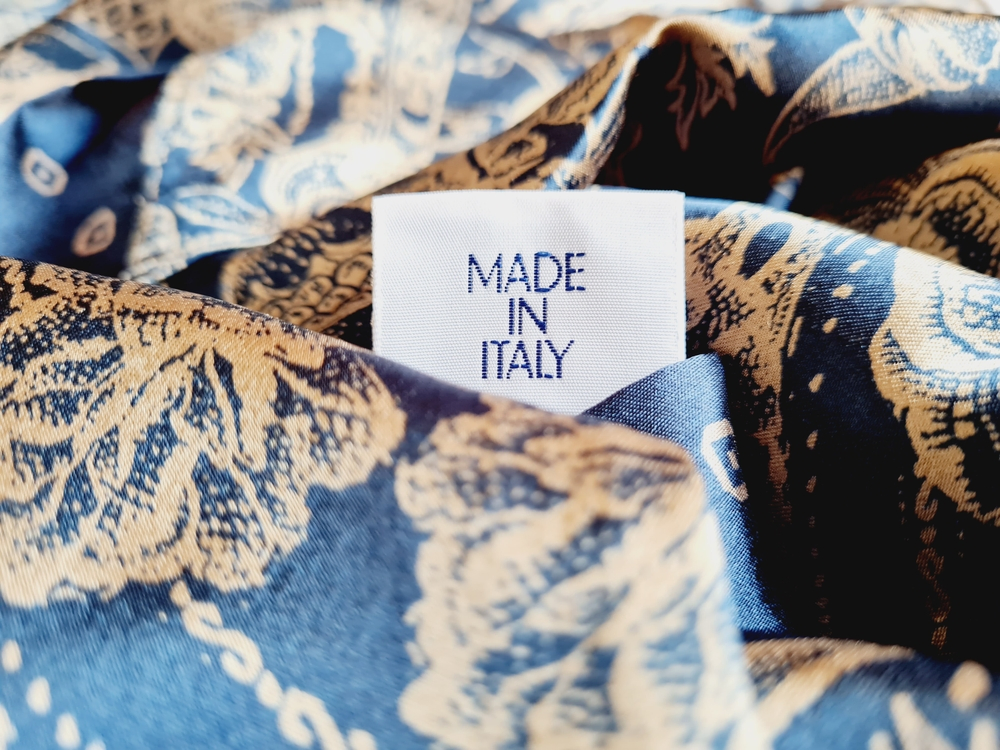
Every fabric tells a story. Raw linen conveys naturalness and simplicity. Smooth silk speaks of elegance and delicacy. Thick wool evokes warmth, protection, and solidity. That’s why texture is the first visual and sensory code through which a garment communicates its character.
Fabrics and Identity: When the Material Speaks to You
Choosing a fabric isn’t just an aesthetic decision—it’s an expression of identity. Some people feel more comfortable in cotton, while others prefer leather or technical fabrics. Every preference reveals something about the person: values, needs, and emotions.
For example:
- Those who choose velvet often seek refinement and softness—a visual and tactile experience that envelops the senses.
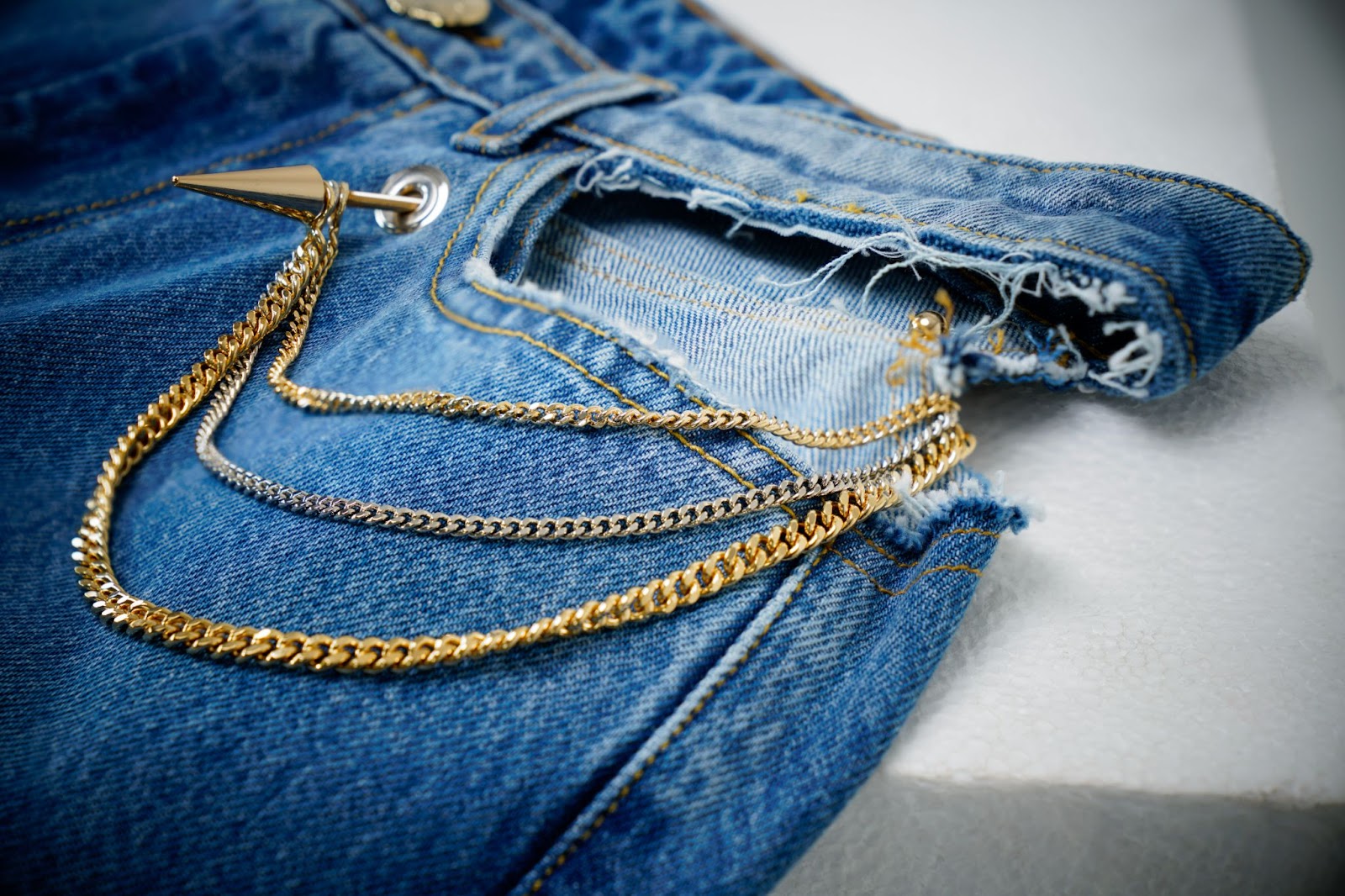
- Those who prefer raw denim convey solidity, practicality, and urban authenticity.
- Those who opt for natural fabrics like hemp or linen tend to express an ecological and minimalist sensibility.
In this sense, texture becomes part of our personal narrative, an extension of our inner voice. The choice of materials thus becomes a form of consistency between who we are and what we want to convey to others.
Furthermore, the texture of a garment also influences how we move and interact: stiff materials make us more composed, while fluid ones make us more dynamic. All of this affects our posture and, consequently, our body language.
Details Make the Difference: Stitching, Buttons, and Finishes
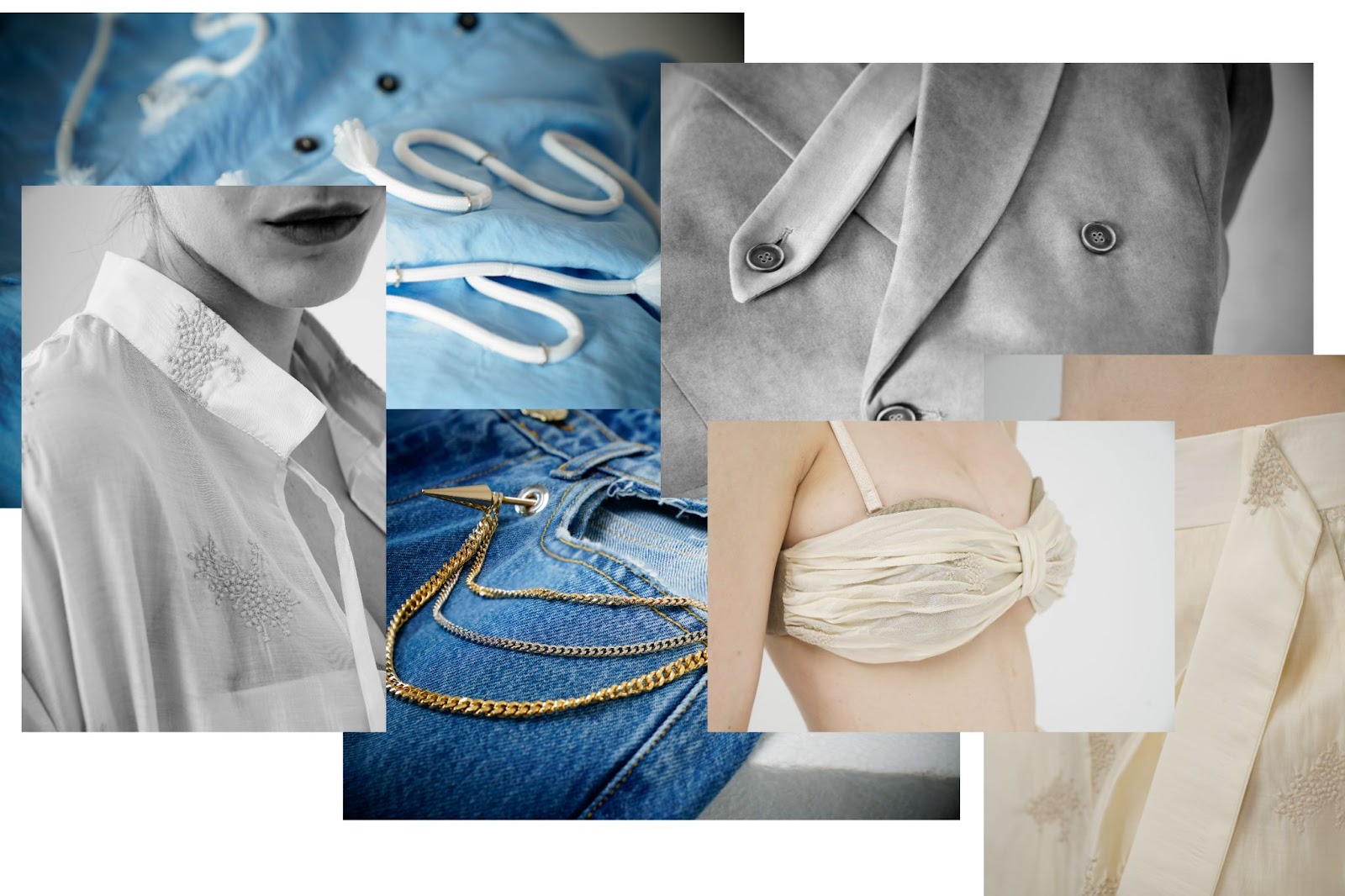
Another often-overlooked yet fundamental element is sartorial detail. A visible seam, a mother-of-pearl button, or a colored inner lining are not merely decorations: they are signals—elements that convey attention, care, and uniqueness.
The finish of a handcrafted garment is never random. When you choose a custom-made product, such as those offered by Psicopatici Italia, you can decide on every tiny detail:
- Interior Lining: Customize the interior of the garment with linings in different colors or patterns, adding a distinctive touch even to the least visible details.
- Buttons and Accessories: Select buttons and accessories that best match your personal taste, helping to define the garment’s overall aesthetic.
- Fabrics: Opt for high-quality fabrics, carefully selected to ensure comfort and durability, and that best suit your desired design.
- Additional Details: Add decorative or functional elements, such as embroidery, appliqués, or other embellishments, to make your garment even more unique.
All of this contributes to creating a sensory and visual experience that changes the way you feel and look.
Furthermore, the finishing touches serve a symbolic purpose. A jacket with colored interior stitching can reveal a lively, hidden personality, while an unexpected or asymmetrical closure can unveil an unconventional spirit. In this sense, detail is never trivial: it is the invisible signature of one’s identity.
The Social Value of Texture in the History of Fashion
Since ancient times, the texture of a garment has represented much more than a mere aesthetic element: it was a status symbol, a code of social and cultural distinction. In Renaissance courts, for example, luxurious fabrics such as velvet, brocade, or hand-woven silk were reserved for the nobility. It wasn’t just a matter of beauty: the complexity and density of the texture immediately conveyed power, prestige, and wealth. Conversely, coarser, rougher fabrics indicated modest economic circumstances or manual labor.
Texture thus took on a symbolic role: the more refined it was, the more it was associated with the intelligence and refinement of the elite. Even today, albeit in a more subtle way, this perception continues to influence our judgment. A jacket with a sophisticated weave seems more “distinguished” to us than a mass-produced garment made of synthetic fabric.
And this is precisely where the difference between an artisanal texture and a low-budget industrial texture comes into play: the former is alive, imperfect, real. It conveys the presence of hands that have worked with care; it tells a story of time, attention, and passion. The latter, on the other hand, is often anonymous, flat, designed for mass production and to last as little as possible.
When you wear a handcrafted garment, you notice the difference. Not only to the touch, but also in your posture, in the way you move, and in the awareness that you’re wearing something that cannot be replicated. This kind of texture doesn’t just cover the body—it celebrates it. And that’s also why the brand Psicopatici Italia believes in the quality of materials, attention to detail, and the communicative power of the fabric’s surface. Because every fiber chosen with intention has the power to change the world’s perception of you.
Conclusion: Dressing is also a matter of touch
Ultimately, fashion isn’t just what you see—it’s what you feel. Textures speak, finishes tell stories, and materials convey deep sensations that influence our mood and our perception of ourselves.
Choosing a personalized texture means creating a dialogue between the skin and the fabric, between identity and form, between the inside and the outside. And this dialogue is the true luxury of our time.